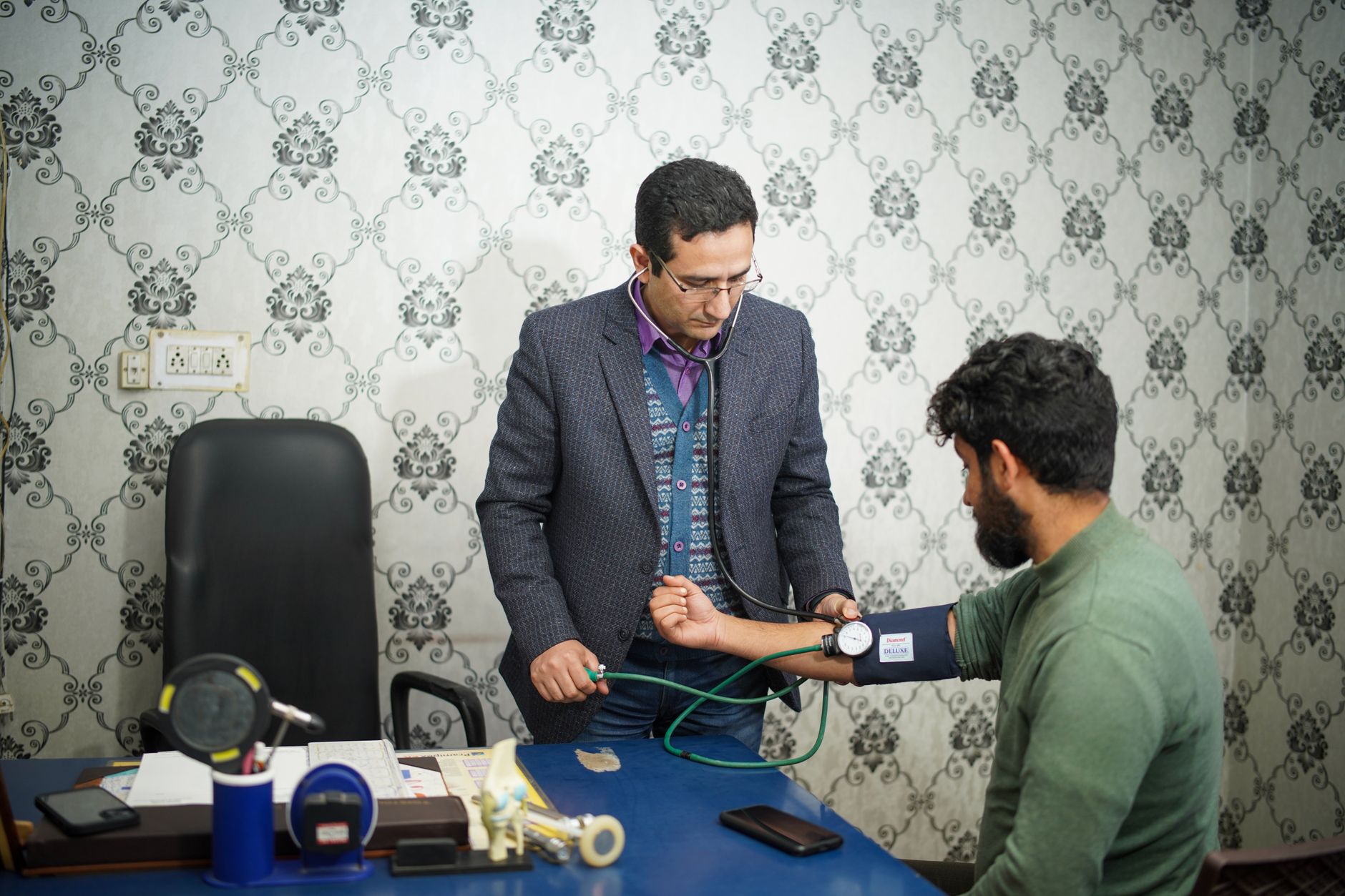
Pediatric Specialty Management: Enhancing Child-Focused Care in Private Clinics
Effective pediatric specialty management is crucial for providing child-focused care in private clinics. This guide outlines best practices and strategies for optimizing pediatric services.
Introduction
Pediatric specialty management is a critical aspect of healthcare that focuses on the unique needs of children. In private clinics across Egypt and the MENA region, optimizing pediatric services is essential for ensuring that children receive the best possible care. This article explores effective strategies for managing pediatric specialties, emphasizing child-focused care.
Understanding Pediatric Specialty Care
Pediatric specialty care refers to the medical services provided by healthcare professionals who specialize in treating children. These specialists are trained to address a variety of conditions, including:
- Chronic illnesses: Conditions such as asthma, diabetes, and epilepsy.
- Developmental disorders: Autism spectrum disorders, ADHD, and learning disabilities.
- Acute conditions: Infectious diseases, injuries, and other urgent health issues.
- Preventive care: Routine check-ups, vaccinations, and health education.
Importance of Child-Focused Care
Child-focused care is essential for several reasons:
- Developmental considerations: Children are not just small adults; their physiological and psychological needs differ significantly.
- Family involvement: Engaging families in the care process enhances compliance and improves health outcomes.
- Long-term health: Early intervention can prevent complications and promote healthier futures.

Best Practices for Pediatric Specialty Management
To effectively manage pediatric specialties in private clinics, consider the following best practices:
1. Comprehensive Training for Staff
Ensure that all healthcare providers, including nurses and administrative staff, receive training in pediatric care. This can include:
- Workshops on child development and communication.
- Training on handling pediatric emergencies.
- Education on family-centered care approaches.
2. Streamlined Clinical Workflow
A well-organized clinical workflow is crucial for efficient pediatric care. Key components include:
- Appointment scheduling: Use a system that accommodates the unique needs of pediatric patients, such as longer appointment times for initial visits.
- Patient intake forms: Simplify forms to gather essential information without overwhelming parents.
- Follow-up procedures: Establish clear protocols for follow-up appointments and communication with families.
3. Utilization of Technology
Incorporating technology can enhance pediatric specialty management:
- Electronic Health Records (EHR): Use EHR systems designed for pediatric care to track growth, vaccinations, and developmental milestones.
- Telemedicine: Offer virtual consultations for follow-ups or minor concerns, making it easier for families to access care.
- Patient portals: Provide parents with access to their child’s health information, appointment scheduling, and educational resources.
4. Family-Centered Care Approaches
Engaging families in the care process is vital:
- Education: Provide resources and information to help families understand their child's health conditions.
- Support groups: Facilitate support groups for families dealing with chronic illnesses or developmental disorders.
- Feedback mechanisms: Implement systems for parents to provide feedback on their experiences and suggestions for improvement.
5. Continuous Quality Improvement
Regularly assess and improve pediatric services through:
- Performance metrics: Track key performance indicators (KPIs) such as patient satisfaction, appointment wait times, and health outcomes.
- Staff feedback: Encourage staff to share insights on workflow efficiency and patient care.
- Patient surveys: Conduct surveys to gather feedback from families regarding their experiences.
Challenges in Pediatric Specialty Management
While managing pediatric specialties, clinics may face several challenges:
- Resource limitations: Many clinics may lack specialized staff or equipment.
- Regulatory compliance: Adhering to local and international healthcare regulations can be complex.
- Cultural considerations: Understanding and respecting cultural beliefs about health and illness is crucial in the MENA region.
Strategies to Overcome Challenges
To address these challenges, clinics can:
- Collaborate with specialists: Build partnerships with pediatric specialists and hospitals for referrals and shared resources.
- Invest in training: Allocate resources for ongoing staff education and training.
- Engage with the community: Conduct outreach programs to educate families about available pediatric services and preventive care.
Conclusion
Effective pediatric specialty management is vital for providing high-quality, child-focused care in private clinics. By implementing best practices, utilizing technology, and engaging families, clinics can enhance their pediatric services and improve health outcomes for children.

How Clinit Helps
Clinit supports private clinics in optimizing their pediatric specialty management through tailored solutions that enhance clinical workflows and patient engagement. Our platform provides tools for efficient appointment scheduling, EHR management, and patient communication, ensuring that clinics can deliver exceptional care to their young patients.


