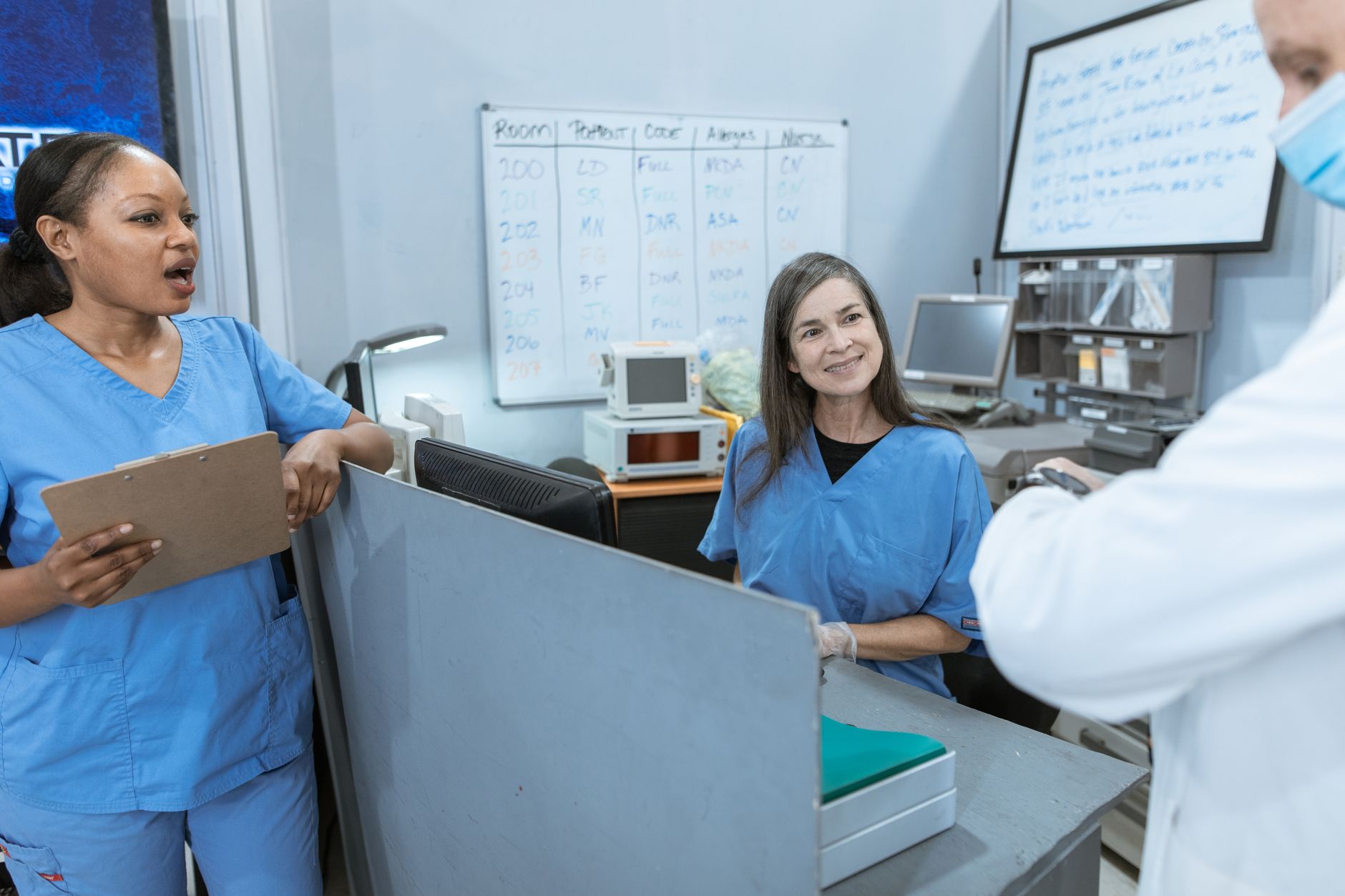
Streamlining Dental Clinic Operations with Digital Tools
Discover how digital tools can enhance the efficiency and patient experience in dental clinics, transforming operations for better service delivery.
Introduction
In today's fast-paced healthcare environment, dental clinics are increasingly turning to digital tools to streamline operations and improve patient experiences. The integration of technology not only enhances efficiency but also fosters better communication, reduces administrative burdens, and ultimately leads to improved patient satisfaction. This article explores various digital tools that can transform dental clinic operations.
The Importance of Streamlining Operations
Streamlining operations in a dental clinic is crucial for several reasons:
- Increased Efficiency: Reducing time spent on administrative tasks allows dental professionals to focus more on patient care.
- Enhanced Patient Experience: Quick and efficient processes lead to shorter wait times and improved patient satisfaction.
- Cost Reduction: Optimizing workflows can lead to significant cost savings in the long run.
- Data Management: Digital tools facilitate better data collection and management, aiding in clinical decision-making.

Key Digital Tools for Dental Clinics
1. Practice Management Software
Practice management software is the backbone of modern dental clinics. It integrates various functions, such as:
- Appointment Scheduling: Allows for easy booking and management of patient appointments.
- Billing and Insurance Processing: Streamlines billing processes and simplifies insurance claims.
- Patient Records Management: Centralizes patient data, making it easily accessible for dental professionals.
2. Electronic Health Records (EHR)
EHR systems are essential for maintaining comprehensive patient records. Benefits include:
- Improved Accuracy: Reduces the risk of errors associated with paper records.
- Accessibility: Enables dental professionals to access patient information from anywhere, facilitating better care.
- Interoperability: Allows for seamless sharing of information with other healthcare providers.
3. Digital Imaging and Radiography
Digital imaging technologies, such as intraoral cameras and digital X-rays, enhance diagnostic capabilities. Key advantages include:
- Higher Quality Images: Provides clearer and more detailed images for accurate diagnosis.
- Reduced Radiation Exposure: Digital X-rays use significantly less radiation compared to traditional methods.
- Instant Access: Images can be viewed and shared instantly, speeding up the diagnostic process.
4. Patient Communication Tools
Effective communication is vital for patient satisfaction. Digital communication tools can help with:
- Automated Reminders: Sending appointment reminders via SMS or email reduces no-show rates.
- Patient Portals: Allow patients to access their records, treatment plans, and educational materials online.
- Feedback Systems: Collecting patient feedback through digital surveys can help improve services.
5. Tele-dentistry Solutions
Tele-dentistry has gained popularity, especially post-pandemic. It offers:
- Remote Consultations: Patients can consult with dentists from the comfort of their homes.
- Accessibility: Increases access for patients in remote areas or those with mobility issues.
- Follow-Up Care: Facilitates easy follow-up consultations without the need for in-person visits.
Implementing Digital Tools: Best Practices
To successfully implement digital tools in a dental clinic, consider the following best practices:
- Assess Needs: Evaluate the specific needs of your clinic to choose the right tools.
- Staff Training: Ensure all staff members are adequately trained to use new technologies.
- Integration: Choose tools that can integrate with existing systems to avoid disruptions.
- Patient Education: Inform patients about new technologies and how they can benefit from them.
- Regular Updates: Keep software and systems updated to ensure security and functionality.
Challenges of Digital Transformation
While digital tools offer numerous benefits, dental clinics may face challenges such as:
- Initial Costs: The upfront investment in technology can be significant.
- Resistance to Change: Staff may be hesitant to adopt new systems.
- Data Security Concerns: Protecting patient data is paramount, and clinics must ensure compliance with regulations.
Conclusion
The integration of digital tools in dental clinics is not just a trend; it is a necessity for enhancing operational efficiency and improving patient care. By adopting practice management software, EHR systems, digital imaging, and effective communication tools, dental clinics can streamline their operations and provide a better experience for their patients.

How Clinit Helps
Clinit offers tailored solutions for dental clinics looking to enhance their operational efficiency through digital tools. Our platform provides comprehensive practice management features designed to streamline workflows and improve patient engagement.