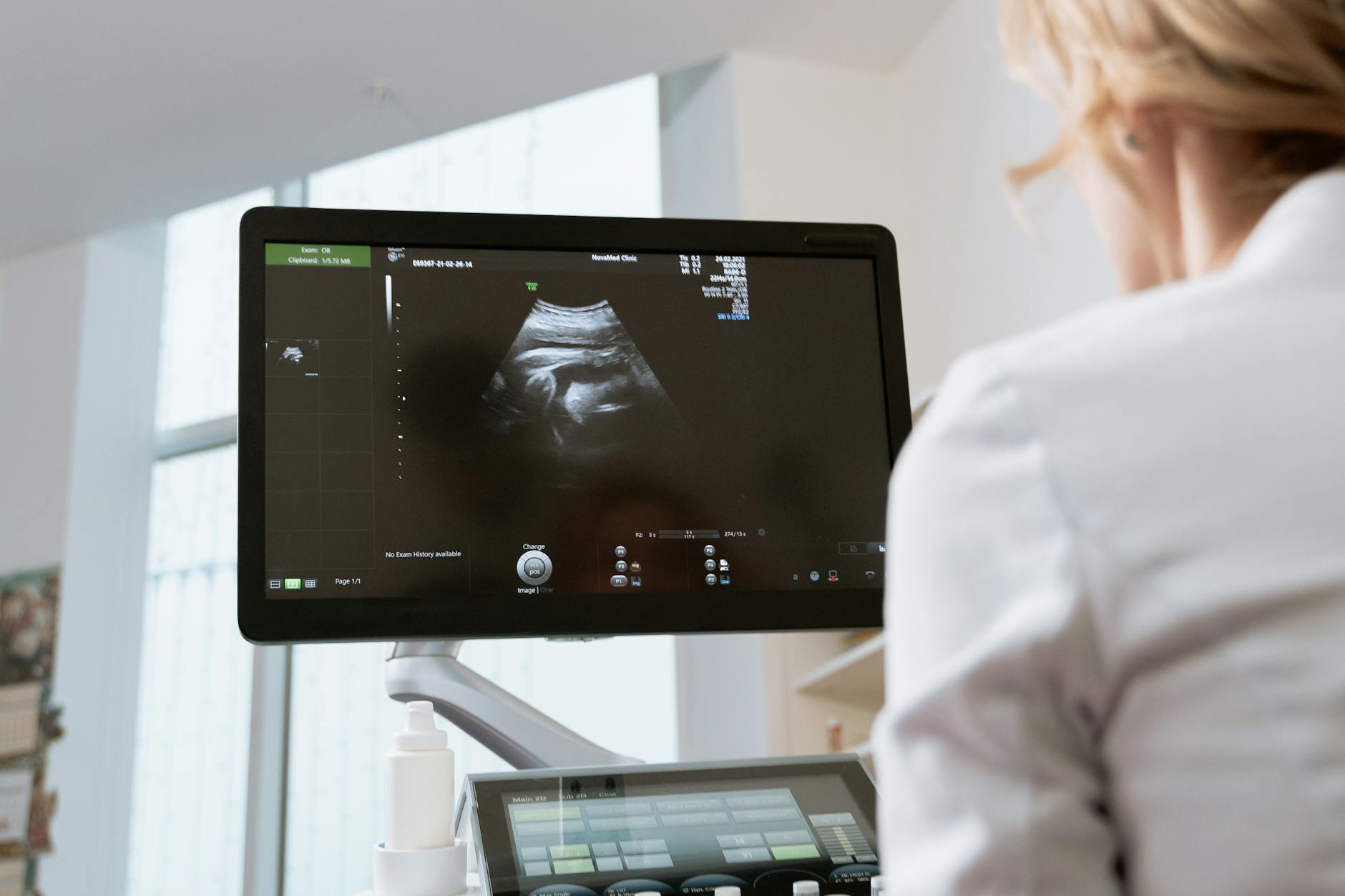
Enhancing Optical Clinic Efficiency with EMR Systems
Explore how Electronic Medical Record (EMR) systems can significantly streamline operations in optical clinics, improving patient care and administrative efficiency.
Introduction
In the rapidly evolving healthcare landscape, optical clinics are increasingly turning to technology to enhance their operations. One of the most transformative tools available today is the Electronic Medical Record (EMR) system. These systems not only digitize patient records but also streamline various administrative and clinical processes. This blog post will delve into how EMR systems can improve efficiency in optical clinics, focusing on key functionalities, benefits, and implementation strategies.
What is an EMR System?
An Electronic Medical Record (EMR) system is a digital version of a patient’s paper chart. EMRs are designed to facilitate the collection, storage, and retrieval of patient data, enabling healthcare providers to manage patient information more effectively.
Key Features of EMR Systems
- Patient Record Management: Centralized storage of patient histories, treatment plans, and test results.
- Appointment Scheduling: Automated scheduling tools that reduce no-shows and optimize clinic workflows.
- Billing and Coding: Streamlined billing processes with integrated coding systems to enhance revenue cycle management.
- Data Analytics: Tools for tracking patient outcomes and clinic performance metrics.
- Interoperability: Ability to share information with other healthcare providers and systems.

Benefits of EMR Systems in Optical Clinics
Implementing an EMR system in an optical clinic offers numerous advantages:
1. Improved Patient Care
- Accessibility: Clinicians can access patient records quickly, leading to better-informed decision-making.
- Coordination: Enhanced communication between different healthcare providers ensures comprehensive patient care.
- Patient Engagement: Patients can access their records, leading to increased involvement in their own healthcare.
2. Enhanced Operational Efficiency
- Time Savings: Automating administrative tasks reduces the time staff spend on paperwork.
- Error Reduction: Minimizing manual data entry decreases the likelihood of errors in patient records.
- Streamlined Workflow: Integrated systems allow for smoother transitions between different stages of patient care.
3. Financial Advantages
- Increased Revenue: Efficient billing processes can lead to faster payments and reduced claim denials.
- Cost Reduction: Decreased need for physical storage and paper supplies lowers operational costs.
4. Compliance and Security
- Regulatory Compliance: EMR systems help clinics comply with healthcare regulations, such as HIPAA, by ensuring secure handling of patient data.
- Data Security: Advanced security features protect sensitive patient information from unauthorized access.
Implementing an EMR System in Your Optical Clinic
Step 1: Assess Your Needs
Before selecting an EMR system, it is crucial to evaluate the specific needs of your clinic. Consider the following factors:
- Size of the clinic
- Types of services offered
- Current workflow processes
- Budget constraints
Step 2: Research EMR Vendors
Once you have a clear understanding of your needs, research potential EMR vendors. Look for:
- User-friendly interfaces
- Customization options
- Customer support and training services
- Integration capabilities with existing systems
Step 3: Plan the Implementation
A successful implementation requires careful planning. Key steps include:
- Timeline: Establish a realistic timeline for the transition.
- Training: Ensure all staff members receive adequate training on the new system.
- Data Migration: Plan for the secure transfer of existing patient records into the new EMR system.
Step 4: Monitor and Optimize
After implementation, continuously monitor the system’s performance and gather feedback from staff and patients. Regularly optimize workflows and make adjustments as necessary to maximize the benefits of the EMR system.
Challenges of EMR Implementation
While the benefits of EMR systems are substantial, clinics may face challenges during implementation:
- Resistance to Change: Staff may be hesitant to adopt new technology. Address this by highlighting the benefits and providing thorough training.
- Cost: Initial costs can be high, but consider the long-term savings and efficiency gains.
- Technical Issues: Ensure you have reliable IT support to address any technical problems that arise.
Conclusion
In conclusion, adopting an EMR system can significantly enhance the efficiency of optical clinics. By improving patient care, operational workflows, and financial management, EMRs represent a vital investment in the future of healthcare. As technology continues to evolve, optical clinics that embrace these systems will be better positioned to provide high-quality care and remain competitive in the marketplace.

How Clinit Helps
Clinit offers tailored EMR solutions specifically designed for optical clinics, ensuring seamless integration and user-friendly interfaces. Our support team is dedicated to helping clinics optimize their operations and enhance patient care through effective technology solutions.